Wellness
Sunshine Coast Cold-Water Swimming: What Science Actually Reveals About Health Benefits
From Mooloolaba's shores to USC's health labs, the science behind cold-water immersion is getting harder to dismiss.
4 min read
Updated 1 d ago
Wellness
From Mooloolaba's shores to USC's health labs, the science behind cold-water immersion is getting harder to dismiss.
4 min read
Updated 1 d ago
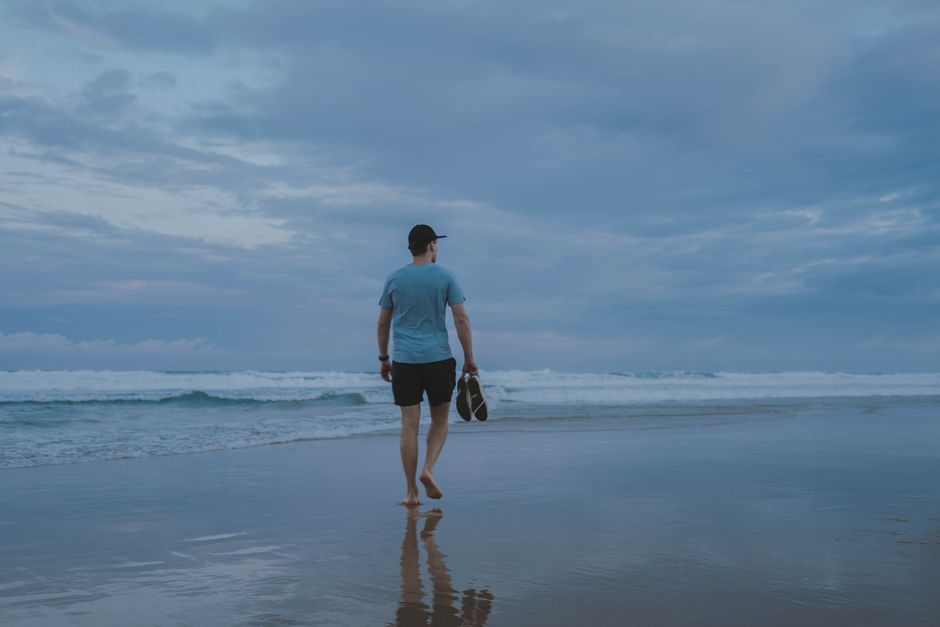
Cold-water swimming has moved well past trend status on the Sunshine Coast. On any given winter morning before 7 a.m., a reliable cluster of regulars is already chest-deep off Mooloolaba Beach, and the question people are asking has shifted from why would you? to what is this actually doing to my body? The short answer from researchers: more than previously thought, though not everything the wellness industry claims.
This matters right now partly because of what is happening to ambient temperatures. Sydney recorded its hottest June since 1859 this week, prompting renewed public conversation about heat stress, sleep disruption, and how Australians manage their physiological baselines across a warming calendar year. For Sunshine Coast residents, who already live with subtropical humidity for much of the year, the science of cold exposure has become more than recreational curiosity.
The most cited mechanism is the cold-shock response. When skin temperature drops sharply, water below 15 degrees Celsius is the threshold most exercise physiology literature uses, the body triggers a cascade involving noradrenaline, cortisol, and brown adipose tissue activation. A 2021 study published in the International Journal of Circumpolar Health found regular cold-water swimmers showed measurably lower resting concentrations of inflammatory markers compared with matched controls who did not swim in cold water. The study was observational, not a randomised controlled trial, which means causation cannot be confirmed, an important caveat that often gets lost in social media summaries.
Mood effects get the most attention. Research out of the University of Portsmouth in the United Kingdom, published in 2023, documented significant reductions in self-reported anxiety and depression scores among a cohort of open-water swimmers tracked over a ten-week period. That study involved 61 participants and used the Patient Health Questionnaire-9 as its measurement tool. Researchers attributed the outcome partly to the acute adrenaline response and partly to the social dimension of group swimming, a variable that is genuinely difficult to isolate.
The University of the Sunshine Coast's Thompson Institute, based on Sippy Downs Drive, has active research programs examining psychophysiological stress responses, though its primary focus is mental health rather than cold-water immersion specifically. The body of international research it draws on is the same literature that practitioners in the region cite when building structured wellness programs around cold exposure.
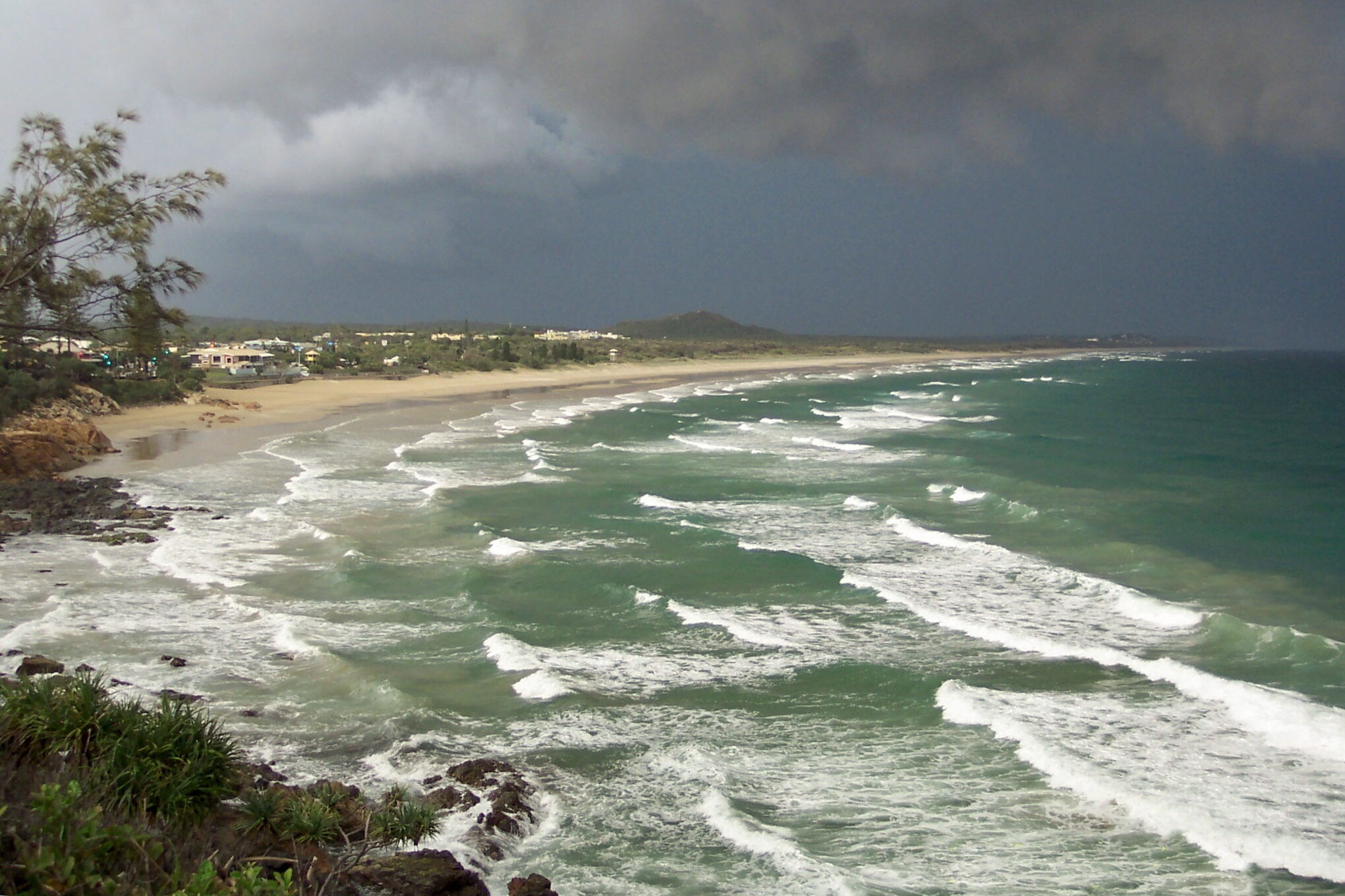
The Noosa National Park coastal track draws early walkers who combine their morning route with a plunge off Tea Tree Bay, one of the more popular cold-immersion spots north of Coolum. The water temperature in Noosa Heads sits between 18 and 21 degrees Celsius through June and July, which is mild by Northern European standards but cool enough to trigger the physiological responses researchers describe.
At Eumundi Markets, held every Wednesday and Saturday on Memorial Drive, vendors selling magnesium supplements, adaptogenic herbs, and breathwork programs regularly position their products alongside cold-exposure protocols. Some claims in that space outrun the evidence considerably. Magnesium supplementation, for instance, has a reasonable evidence base for sleep quality in deficient individuals, but the combination marketing, cold water plus supplements plus breathwork as a unified curative package, has not been studied as a composite intervention.
The Mooloolaba Surf Life Saving Club, on the Esplanade, is one venue where structured open-water entry is available year-round with trained supervision, relevant for anyone new to cold immersion who has cardiovascular concerns. Sudden cold-water entry carries real risks for people with underlying heart conditions, and the initial gasp reflex can cause inhalation of water. These are not theoretical dangers.
For residents curious about incorporating cold-water swimming into a wellness routine, the practical starting point recommended by sports medicine practitioners is a GP check before beginning, gradual acclimatisation starting with shorter immersions above 18 degrees, and never swimming alone in open water. The science is genuinely promising, and genuinely incomplete. That combination deserves honest reporting, not a headline promising transformation.
Wellness
Wellness

Wellness
Wellness

Wellness
Wellness
About this article
Published by The Daily Sunshine Coast
Spread the word
Daily brief
Free, in your inbox before 7am. Weekdays.
The Daily Network — local news across Australia